How Preventive Dentistry Shapes The Success Of A Smile Makeover
You may already be picturing the end result. Straighter teeth, brighter enamel, a smile that finally feels like yours. Then the practical side hits. What if there is decay under an old filling, gum inflammation you did not notice, or wear that could shorten the life of cosmetic work? That is where many people feel stuck. They want the visible change, but they also do not want to spend time and money on treatment that will not last. That is why preventive and restorative dentistry in Columbus, IN can play an important role before moving forward with cosmetic treatment.
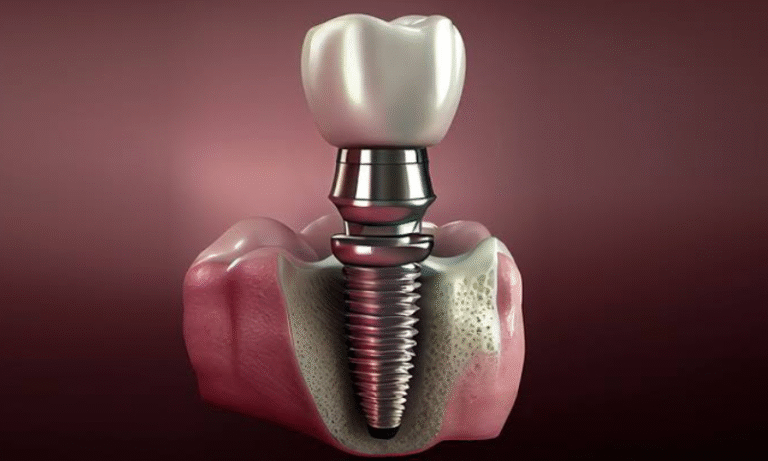
A smile makeover works best when the foundation is healthy. Clean teeth, stable gums, and early detection of problems protect the investment you make in veneers, bonding, whitening, crowns, or aligners. Preventive dentistry is not a side note to cosmetic care. It is the reason cosmetic care holds up, looks natural, and stays comfortable over time.
Preventive dental care gives cosmetic treatment something solid to last on
Cosmetic dentistry can improve shape, color, spacing, and balance, but it cannot cancel out active disease. If plaque has been building near the gumline, if a small cavity is growing between teeth, or if grinding has already weakened enamel, those issues tend to show up after cosmetic work is done, not before. That is when people end up needing repairs sooner than expected.
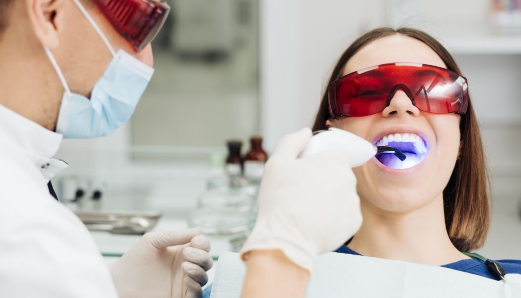
A routine dental exam often catches the quiet problems first. During a dental exam, a dentist checks for decay, gum disease, bite issues, wear patterns, and signs of infection. Those details matter because a veneer bonded to a tooth with untreated decay is at risk. Whitening on teeth with exposed roots or enamel loss can lead to pain. Clear aligners on a mouth with inflamed gums can add stress to tissue that already needs care.
You may be thinking, I only wanted to fix the way my smile looks. That feeling is common. Aesthetic concerns are often what bring people in, and there is nothing shallow about that. Your smile affects how you speak, laugh, and show up in photos and conversations. The point is not to slow you down. The point is to make sure the results are worth having.
See also: Sad poetry in urdu | life sad poetry in urdu text
Oral health habits shape the outcome of a smile makeover
The daily habits that seem small are usually the ones that decide whether cosmetic work stays clean and strong. Brushing with fluoride toothpaste, flossing, cleaning around the gumline, and showing up for regular cleanings help protect both natural teeth and restorations. The National Institute of Dental and Craniofacial Research offers clear guidance on oral hygiene, and those basics still matter even when treatment is cosmetic.
Think about someone who gets professional whitening but keeps skipping cleanings. Surface stains return faster, tartar builds near the gums, and the brighter shade does not look as even. Or someone who gets bonding to close a gap but clenches at night. Without catching that habit early, the bonding can chip. Cosmetic work is not separate from oral health. It sits on top of it.
This is why many smile makeover planning appointments start with preventive care. A dentist may recommend X rays, a periodontal check, a cleaning, fluoride treatment, or a night guard before moving into cosmetic treatment. That is not upselling. It is sequencing.
Family and cosmetic dentist care works better when prevention comes first
A family and cosmetic dentist often sees the full picture more clearly because appearance, function, and long term maintenance all connect. A child with early enamel weakness, a parent with gum recession, and an adult considering veneers may all need different cosmetic options, but they benefit from the same principle. Treat what threatens the health of the mouth first.
Fluoride is a good example. It strengthens enamel and lowers the risk of decay, which matters before and after cosmetic treatment. The NIDCR explains how fluoride protects teeth, especially in areas that are starting to weaken. If you are planning whitening or bonding, stronger enamel can reduce sensitivity and improve durability.
Cosmetic dental treatment tends to last longer when gums are not inflamed, when plaque is controlled, and when bite pressure is managed. That can also lower future costs. Replacing damaged restorations, treating avoidable decay under cosmetic work, or redoing treatment because of unstable gums is far more expensive than prevention.
Preventive dentistry lowers risk before cosmetic work begins
| Approach | What Happens First | Short Term Result | Long Term Impact |
|---|---|---|---|
| Cosmetic treatment without prevention | Whitening, veneers, bonding, or aligners start before decay, gum issues, or bite stress are addressed | Fast visible improvement | Higher risk of sensitivity, repair, staining, gum problems, or early failure |
| Preventive care before cosmetic treatment | Exam, cleaning, X rays, fluoride, gum evaluation, and bite review come first | Results may take a little longer to start | Stronger foundation, better comfort, more predictable appearance, and longer lasting work |
That difference matters most when there is something hidden. A tooth can look fine in the mirror and still have a cavity between contact points. Gums can bleed only a little and still be inflamed enough to affect impressions, healing, or final appearance. Prevention gives you a cleaner starting point and fewer surprises.
Small steps now protect the smile you want later
Schedule a full exam before choosing cosmetic treatment. Ask for a complete review of your teeth, gums, bite, and existing dental work. If there is an old filling that is failing or early gum disease starting, deal with that first.
Get your home care routine tight before the makeover begins. Brush twice a day with fluoride toothpaste, floss once a day, and follow any product advice your dentist gives you. Consistency matters more than buying a shelf full of products you will not use.
Ask what maintenance your specific treatment will need. Veneers, bonding, whitening, crowns, and aligners all have different weak spots. Some need stain control, some need protection from grinding, and some need closer hygiene around the margins. Knowing that ahead of time helps you keep the result looking good.
A better smile should not come with constant worry about what might go wrong underneath it. When prevention comes first, cosmetic care has a fair chance to do what you want it to do, which is look good, feel right, and last. If you are considering treatment with a family and cosmetic dentist, start with the health of the teeth and gums, then build from there.