7 Factors That Affect How White Teeth Look In Different Lighting
You catch your smile in one mirror and your teeth look bright. An hour later, under office lights or in a restaurant bathroom, they look darker, flatter, or slightly yellow. That shift is frustrating because it makes you wonder if whitening worked at all. You are not imagining it. Teeth do not look the same in every setting, and the change often has less to do with your actual tooth color than with light, surface texture, and the way your eyes read contrast. This same attention to appearance also matters for people considering dental implants in Los Angeles.
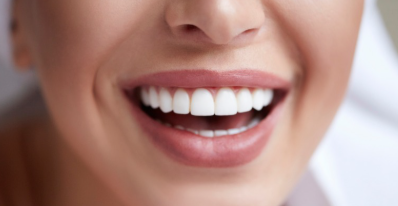
If you have been thinking about whitening or seeing a cosmetic dentist, this is usually the real issue underneath the stress. You do not just want whiter teeth. You want teeth that look clean, even, and natural in daylight, photos, indoor lighting, and face to face conversation. How white teeth appear in different lighting depends on several factors, and once you understand them, your choices get easier.
Light source changes the color your eyes perceive
Natural daylight, warm indoor bulbs, cool LED lights, and camera flash all carry different color temperatures. That affects the way enamel reflects light back to your eyes. A warm light can pull out yellow or brown tones. A cooler light can make teeth appear brighter, but it can also make them look flat or slightly gray if the enamel is thin.
This is one reason shade matching in dentistry has to be done carefully. Research on tooth color and visual shade selection shows that lighting conditions directly affect how dental color is judged. If you have ever felt like your teeth look one shade at home and another at the dental office, that reaction makes sense.
Enamel thickness affects brightness and depth
Enamel is not solid white paint. It is translucent. The thicker and healthier it is, the more it can scatter light in a way that gives teeth a brighter, more alive look. When enamel is thin from wear, grinding, acid erosion, or age, the darker dentin underneath shows through more easily.
This matters because whitening does not rebuild enamel. If your teeth still look dull under certain lights after bleaching, the issue may be structural rather than stain related. A cosmetic dentist may suggest options such as bonding or veneers when the goal is a more stable appearance across different settings.
Dentin color shows through more than most people expect
Dentin sits beneath enamel and naturally has a warmer tone. Even very clean teeth can look less white if the dentin is deeper yellow or gray. This is why two people can use the same whitening product and get very different visual results.
Studies on tooth color in esthetic dentistry, including current research on color stability and appearance, support what many patients notice in real life. Whitening can lift stains, but it does not erase every underlying color influence. That is often where disappointment starts. You expected a bright white smile in every mirror, but biology sets limits.
Surface texture changes the way teeth reflect light
Smooth, polished enamel reflects light more evenly. Rough surfaces scatter light in a less uniform way, which can make teeth look darker or patchy. Tiny chips, dehydration after whitening, plaque buildup, and worn edges can all change the way light hits the tooth surface.
This is also why professional cleaning and polishing can make teeth look better even before whitening starts. The color may not have changed much, but the reflection did. Teeth whitening results in different lighting often improve when the surface is clean and even.
Dehydration after whitening can create a false bright look
Right after whitening, teeth often look extra white because they are temporarily dehydrated. As they rehydrate over the next day or two, some of that brightness fades. Many people panic at this stage and think the treatment failed. It usually did not. The first look was just not the final one.
If you are comparing your smile under bathroom lights right after treatment to what you see a few days later in daylight, the shift can feel dramatic. It is common, and it is one reason realistic expectations matter.
Surrounding colors affect contrast
Lipstick, skin tone, makeup, clothing color, and even the wall behind you change how white your teeth seem. A darker top or cooler makeup tones can make teeth pop. Yellow indoor walls or warm foundation can make them seem less bright.
Your eyes judge whiteness by comparison, not in isolation. That is why the same smile can look different in a selfie, in your car mirror, and in a dental photo with a neutral background.
Age, restorations, and stain type all shape the outcome
Teeth darken with age as enamel thins and dentin becomes more visible. Fillings, crowns, and bonding do not whiten the same way natural teeth do, so they may stand out more under certain lighting. Surface stains from coffee or tea usually respond better than deeper internal discoloration from trauma, medication, or enamel defects.
Research on esthetic dental materials, including recent findings on optical behavior and color match, shows why restorations can look slightly different depending on light angle and intensity. If one tooth seems off only in photos or only under bright LEDs, material choice may be part of the reason.
Professional whitening and cosmetic dentistry offer different levels of control
When you are deciding what to do next, the real question is not just how to get whiter teeth. It is how to get a result that still looks natural in real life.
| Option | Best For | Limits in Different Lighting | What You Gain |
| Whitening toothpaste | Minor surface stain | Little change to deeper color or translucency | Low cost upkeep |
| Store bought whitening strips | Mild to moderate yellowing | Can create uneven results if enamel tone varies | Convenience |
| Professional whitening | Stronger stain removal | Does not change restorations or enamel thickness | More predictable brightening |
| Bonding or veneers | Shape, color, translucency concerns | Needs precise shade planning to avoid an artificial look | More control over how teeth appear in varied light |
Three steps you can take right now
Check your teeth in more than one light source. Look in daylight, warm indoor light, and a neutral mirror before deciding your whitening failed. One setting does not tell the whole story.
Pay attention to texture, not just shade. If your teeth look blotchy, dull, or gray at the edges, the issue may be enamel wear, buildup, or old dental work rather than simple staining. That changes the right treatment.
Ask for a cosmetic consultation with shade planning. A good cosmetic dentist will assess stain type, enamel condition, existing restorations, and your goals for a brighter smile, not just offer a one size fits all whitening treatment.
See also: How Businesses Accept Crypto Payments
A natural looking white smile depends on more than bleach
If your teeth seem white in one room and not in another, that does not mean you are being picky. You are seeing the real limits of light, enamel, dentin, and contrast. Once you know the factors that affect tooth color appearance, the next step is clearer. If you want a smile that looks brighter and more consistent in everyday life, schedule a consultation with a cosmetic dentist.