4 Ways Family Dentistry Promotes Lifelong Oral Hygiene
You can brush twice a day, buy the right toothpaste, and still feel like oral care slips the minute life gets busy. One child needs a cleaning, another hates flossing, a parent keeps putting off a sore tooth, and suddenly dental care becomes one more thing you manage instead of a habit that runs on its own. That strain is common, and it is one reason family dental care matters so much, especially when families also explore Invisalign treatment options in Barrie.
A good family dentist does more than check for cavities. Family dentistry helps build routines that fit real life, catches problems early, teaches each age group what they need to know, and turns dental visits into something normal instead of stressful. That is how better habits last.
Family dentistry builds oral hygiene habits early and keeps them consistent
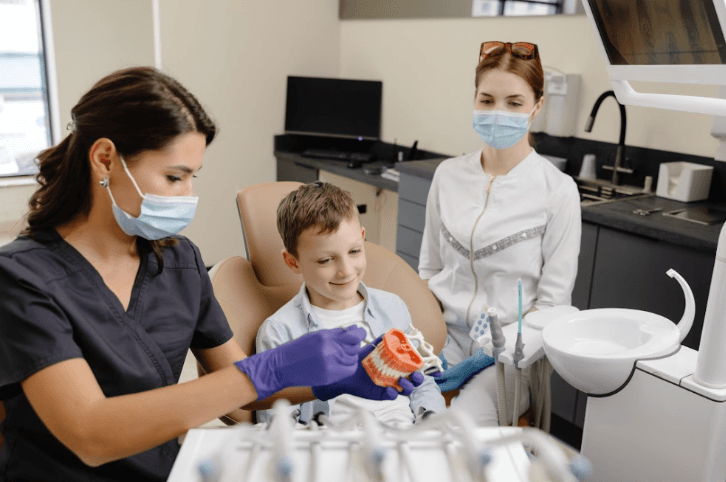
Children rarely learn oral care from instructions alone. They learn by repetition, modeling, and routine. When the same dental office sees siblings, parents, and sometimes grandparents, oral hygiene becomes part of family life instead of a task handed to one person. A child who watches an older brother sit through a cleaning calmly often follows with less fear. A parent who hears the same brushing guidance as their child is more likely to reinforce it at home.
Consistency matters because oral disease often starts quietly. Plaque does not announce itself. Gum irritation can seem minor until brushing starts to hurt and people avoid it even more. The National Institute of Dental and Craniofacial Research explains basic oral hygiene in simple terms, and the message is clear. Daily habits prevent a long list of avoidable problems.
This is where family dental care earns its value. The advice changes with age, but the standard stays steady. Young children may need help brushing. Teens may need coaching on sports guards, sugary drinks, and orthodontic cleaning. Adults may need support for gum care, dry mouth, or worn enamel. One practice can keep those needs connected instead of scattered.
Preventive family dental care lowers the chance of painful and expensive problems
Most people do not ignore their teeth because they do not care. They delay because they are busy, worried about cost, or hoping the issue will pass. Then a small cavity turns into a filling, then a crown, then an emergency visit after a weekend of throbbing pain. That pattern is hard on your schedule and your budget.
Routine visits make a difference because prevention is cheaper and easier than repair. Cleanings remove buildup that home care misses. Exams catch changes before they become major treatment. Fluoride treatments, sealants for children, and personalized hygiene advice all reduce risk over time.
The same logic applies to adults. The CDC offers oral health tips for adults that connect oral hygiene with gum disease prevention, tobacco risks, and daily care habits. Family dentistry brings those broad recommendations into your actual life. If you clench your teeth, your dentist can spot wear. If your child breathes through their mouth at night, they can notice the signs. If a parent in the family is dealing with diabetes, medication changes, or dexterity issues, hygiene advice can be adjusted instead of repeated like a script.
Family dentistry reduces fear and makes regular dental visits feel normal
Dental anxiety does not only affect children. Adults carry it too, often from a bad experience years ago or from embarrassment about how long it has been since their last visit. That anxiety can spread through a household fast. Children notice when a parent is tense, and they build their own story around the chair before they even sit in it.
A family practice helps break that cycle. Familiar faces, repeated visits, and age appropriate communication reduce the sense that dental care is a crisis event. It becomes a normal check in, like any other health appointment. That shift matters because people keep appointments when the experience feels manageable.
Steady exposure also improves follow through at home. A child who hears the same simple advice each visit is more likely to accept help brushing. A teen is more likely to wear a retainer or clean around brackets when they trust the person explaining why it matters. Adults are more likely to ask about bleeding gums, sensitivity, or bad breath when they do not feel judged.
Family dental services adapt oral hygiene guidance to every life stage
Oral hygiene is not one set of rules for everyone. A toddler learning to spit, a teenager with braces, a pregnant parent with gum sensitivity, and an older adult with dry mouth do not need the same plan. Generic advice often fails because it ignores daily reality.
That is why family dental services are useful across the long term. They match care to the person, then update it as life changes. MedlinePlus offers a broad overview of dental health topics and conditions, and that range shows how many factors can affect the mouth. Diet, medication, age, habits, health conditions, and stress all play a part.
When one dental team knows your family over time, patterns stand out sooner. Frequent cavities in one child may point to snack habits or brushing technique. Gum changes in an adult may call for a different cleaning schedule. An older family member may need tools that make flossing easier. That kind of tailored support is one of the strongest ways a dentist helps create lasting oral hygiene.
Daily home care and family dentistry work better together
Home care is the base. Professional care strengthens it. Relying on only one side usually leads to gaps.
| Approach | What It Does Well | What It Can Miss |
| Home brushing and flossing | Removes daily plaque, freshens breath, supports gum health | Tartar buildup, early cavities, bite issues, hidden gum problems |
| Regular family dentistry visits | Professional cleaning, early detection, personalized advice, preventive treatment | Cannot replace daily habits between visits |
| Using both together | Creates stronger prevention, fewer surprises, and better long term outcomes | Requires routine and follow through at home |
The point is simple. Your toothbrush handles the daily work. Your dentist catches what you cannot see and helps you correct the habits that keep causing the same problem.
See also: How Businesses Accept Crypto Payments
Small actions make lifelong oral hygiene more realistic
Set one family routine. Pick two anchor times each day for brushing, usually after breakfast and before bed. Keep floss picks, kid friendly brushes, and fluoride toothpaste visible and easy to reach. Habits stick when they are part of the room, not hidden in a drawer.
Book visits before problems start. Do not wait for pain to force the schedule. Preventive appointments are easier to manage than urgent treatment, especially when you are coordinating school, work, and childcare.
Ask for age specific advice. If something is not working, say so. Ask about thumb sucking, braces cleaning, dry mouth, bleeding gums, mouthguards, or sensitivity. The best dental guidance is specific to your household, not copied from a generic checklist.
Lifelong oral hygiene rarely comes from one perfect burst of motivation. It grows from routines, support, and care that keeps pace with your family as life changes. Family dentistry helps make that possible, one visit and one habit at a time. If your household has been putting dental care off, now is a good time to schedule a visit with a family dentist and start with the next small step.