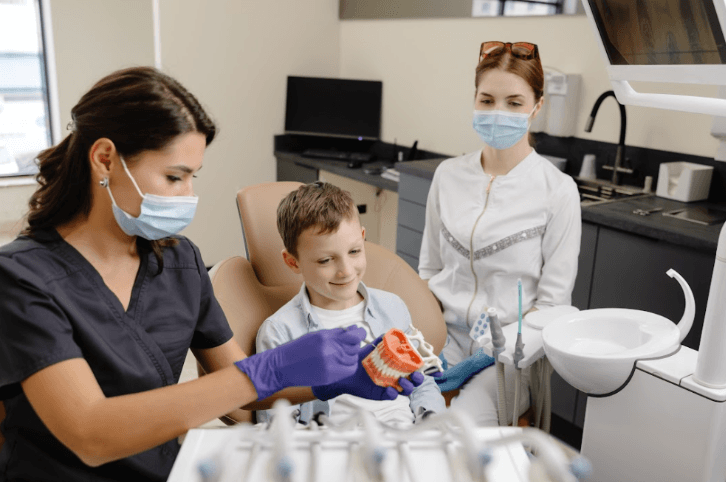
How Family Dentistry Builds Lasting Relationships With Patients
You might be feeling the strain of trying to keep everyone’s dental care on track at once. One child needs a cleaning, another is nervous about a filling, and you may be putting off your own visit because life is already full. Before you find the right dental home, appointments can feel scattered and stressful, especially when searching for an Enfield dentist. After that relationship is in place, care often feels more familiar, more steady, and easier to manage. That is the heart of How Family Dentistry Builds Lasting Relationships With Patients. It is not only about teeth. It is about trust, comfort, and care that grows with your family over time.
When you see the same dental team year after year, they begin to understand more than your chart. They learn who gets anxious, who needs extra explanation, and what routines help each person feel calm. Because of that, a family dentist can become a steady part of your health care, not just a place you visit when something hurts.
Why does a family dentist often feel easier to trust?
Trust rarely appears all at once. It usually builds in small moments. A child hears the same kind voice at each visit. A parent gets clear answers instead of rushed advice. A teen feels respected instead of talked down to. Over time, those moments add up, and that is how lasting patient relationships in dentistry begin to form.
There is a practical side to this too. Regular visits help dentists spot changes early, which can mean simpler care and fewer surprises. According to the CDC oral health resources, prevention and patient education play a central role in better oral health. When a dentist knows your family’s history and habits, those conversations become more useful and more personal.
So, where does that leave families who have been bouncing from office to office? Often, they are left repeating medical history, managing different schedules, and trying to rebuild comfort each time. That can wear people down, especially children who already feel unsure about dental visits.
What makes family dentistry different from one time dental care?
One time care can solve an immediate problem, but it does not always create continuity. A family dental practice usually focuses on the long view. That means preventive care, follow up, age specific guidance, and a setting where children, parents, and sometimes grandparents can all be seen with a shared understanding of family needs.
For children, this matters a great deal. The American Academy of Pediatric Dentistry supports the idea of a dental home, which means an ongoing relationship with a dental provider that is accessible and centered on the patient. When kids grow up with that kind of consistency, they are more likely to see dental care as normal rather than frightening.
Adults benefit too. If you have ever ignored sensitivity, delayed a checkup, or worried about the cost of waiting too long, you already know how easy it is to fall behind. A trusted family dentist can help you stay ahead of issues and make decisions with less pressure. This is one reason many people value family dental care long after the first appointment.
How do long term dental relationships help with fear, cost, and better health?
Dental fear is more common than many people realize. Research published through the National Library of Medicine discusses how anxiety can affect dental attendance and treatment outcomes, and why supportive communication matters so much in care settings. You can read more in this study on dental anxiety and patient care. When people avoid the dentist out of fear, small concerns can turn into painful and expensive problems.
That is where relationship based care helps. Familiarity can lower stress. Clear explanations can reduce fear of the unknown. A team that remembers your concerns can adjust the pace, explain each step, and help you feel more in control. For many families, that emotional safety changes everything.
Financially, the pattern is similar. Prevention is usually easier to budget for than urgent treatment. A routine cleaning or early cavity treatment is often much less disruptive than dealing with advanced decay, infection, or tooth loss. The root service matters too. A good dentist is not only treating a problem. They are helping you avoid the next one.
What should you compare when choosing a family dental practice?
It can help to look beyond basic services and compare how an office supports long term care. The table below shows what often matters most when you are deciding between occasional treatment and an ongoing family relationship.
| What to Compare | Occasional Dental Visits | Ongoing Family Dentist Relationship |
|---|---|---|
| Knowledge of patient history | Limited and often repeated at each visit | Built over time with consistent records and context |
| Child comfort level | May restart with each new office | Often improves through familiarity and routine |
| Preventive guidance | General advice | More tailored to habits, age, and family patterns |
| Response to anxiety | Less personalized | More likely to reflect known fears and preferences |
| Long term cost control | Higher risk of delayed treatment | Better chance of catching issues early |
What can you do now to build a better dental experience for your family?
1. Look for consistency, not just convenience. A nearby office matters, but so does staying with a team long enough to build trust. If possible, choose a practice that can care for different ages and support routine follow up.
2. Ask how the office handles nervous patients. This is a simple question, but it tells you a lot. You want to hear that they explain treatment clearly, move at a manageable pace, and welcome questions from both adults and children.
3. Start with preventive visits before there is a problem. It is easier to build comfort during a calm checkup than during an urgent visit for pain. That first low pressure appointment can set the tone for everything that follows.
See also: How Businesses Accept Crypto Payments
Could the right family dentist change more than your next appointment?
Yes, often it can. A trusted dental relationship can reduce stress, support better habits, and make care feel like part of normal life instead of a disruption. If your family has been dealing with missed visits, fear, or too many moving parts, it may help to think less about the next procedure and more about the long term connection behind it.
A caring family dentist can offer more than treatment. They can offer familiarity, guidance, and a place where your family feels known. That kind of relationship tends to last, and for many people, it makes staying healthy feel much more possible.