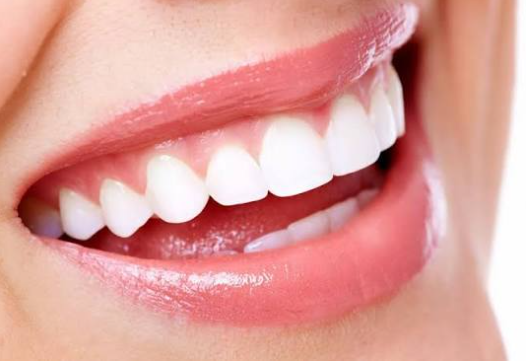
Why Consistency In Dental Care Creates Stronger Smiles For Kids And Adults
You mean to stay on top of brushing, flossing, checkups, and all the little habits that keep teeth healthy, then life gets crowded. School mornings move fast. Work runs late. A child says their mouth feels fine, so the cleaning gets pushed back. An adult notices some bleeding when brushing and hopes it settles down on its own. That pattern is common, and it usually starts with good intentions, not neglect. A visit to a family dentist in Hanover can help keep those good intentions on track.
The problem is simple. Oral health responds to routine. Teeth and gums do better when care happens on schedule, not only when something hurts. Consistent dental care for families lowers the chance of cavities, gum disease, and expensive treatment later. It also helps kids grow up seeing oral care as normal, not something to fear or avoid.
Regular Family Dental Care Prevents Small Problems From Turning Into Big Ones
A lot of dental issues stay quiet at first. Early decay may not hurt. Gum inflammation may look like minor bleeding in the sink. A loose filling can seem manageable until it breaks during dinner. Waiting for pain often means the problem has had time to spread.
That matters for kids and adults in different ways. Children can develop cavities quickly, especially when snacks, juice, sports drinks, and uneven brushing habits all pile up. Adults often face gum recession, dry mouth from medications, grinding, and old dental work that starts to wear down. The needs are different, but the rule is the same. Routine care catches changes early, when treatment is easier and less stressful.
The CDC’s overview of oral health explains that oral health affects eating, speaking, smiling, and overall well-being. That lands close to home when a child avoids crunchy foods because a tooth hurts, or when an adult puts off smiling in photos because of visible staining or damage. Dental care is not only about teeth. It touches comfort, confidence, and daily life.
Preventive dental care for kids and adults also protects your budget. A cleaning and exam cost far less than a crown, root canal, or emergency visit. Parents know this feeling well. One missed visit turns into a cavity. One cavity turns into a child who now associates the dentist with numb cheeks and drills. Adults know it too. A tooth that could have been watched and sealed ends up needing a larger repair because there was no follow-up.
Children Learn Oral Health Habits From What Stays Consistent
Kids rarely build routines from lectures. They build them from repetition. If brushing happens every morning and night, if dental visits are expected and calm, if parents treat oral care like part of regular health care, children absorb that message. They stop seeing the dentist as a place you go only when something is wrong.
That early pattern can shape decades of health. Cavities in baby teeth still matter. They can affect eating, speech, sleep, and the health of incoming adult teeth. They can also affect trust. A child who has repeated dental pain may become anxious about treatment, which makes future care harder.
Adults need that same consistency, even if they feel past the age of reminders. The CDC’s oral health tips for adults points to daily brushing with fluoride toothpaste, flossing, limiting sugary foods and drinks, and seeing a dental professional regularly. Those basics sound ordinary because they are. Ordinary habits are what keep mouths stable.
Consistency In Oral Care Supports Whole Family Health
When dental care slips, the effects do not always stay in the mouth. Inflamed gums can make eating uncomfortable. Ongoing pain can disrupt sleep. Missing or damaged teeth can change speech and chewing, which affects food choices. For some adults, poor oral health also complicates existing health issues and makes self-care feel harder than it already does.
Families often need clear, reliable information without the noise. MedlinePlus dental health resources offers a strong starting point for understanding common conditions, treatments, and prevention. Good information helps you act sooner instead of guessing, waiting, and hoping a problem goes away.
| Dental Care Habit | When Care Stays Consistent | When Care Is Delayed |
|---|---|---|
| Brushing and flossing at home | Plaque is managed before it hardens, breath stays fresher, gums are less likely to bleed | Plaque builds up, tartar forms, gums become irritated, cavities are more likely |
| Routine exams and cleanings | Small issues are found early, cleanings remove buildup, treatment is often simpler | Problems stay hidden longer, treatment may cost more, pain and urgency become more likely |
| Children’s dental visits | Kids get used to care, habits improve, baby teeth and developing teeth are monitored | Fear can grow, decay may spread quickly, future visits can feel harder |
| Adult follow-up care | Old fillings, gum changes, grinding, and wear are tracked before major damage happens | Cracks, infections, and gum disease may advance before they are noticed |
Simple Steps Make Family Dentist Visits Easier To Maintain
Set one shared routine. Pick brushing times that happen no matter what, usually after breakfast and before bed. Keep floss visible instead of tucked away in a drawer. For children, use a timer or a song. For adults, pair brushing with something automatic, like taking evening medication or setting an alarm.
Book the next visit before you leave. This removes the mental load of remembering later. If your household is busy, ask for appointments around the same time every six months so they become part of the calendar rhythm. A family dentist can make this easier by coordinating care for different ages in one place.
Act on small signs early. Bleeding gums, tooth sensitivity, bad breath that does not improve, jaw soreness, or a child avoiding one side of the mouth all deserve attention. Small signs are often the window when treatment is simplest. Waiting usually narrows your options.
Stronger Smiles Come From Steady Care, Not Perfect Care
You do not need flawless routines to protect your family’s teeth. You need steady ones. Missed days happen. Rescheduled appointments happen. What matters is returning to the pattern before a short break becomes a long gap. That is how stronger smiles are built for children, teens, parents, and grandparents alike.
If you have been meaning to get back on track, this is a good time to schedule a visit with a family dentist and rebuild the routine one step at a time.