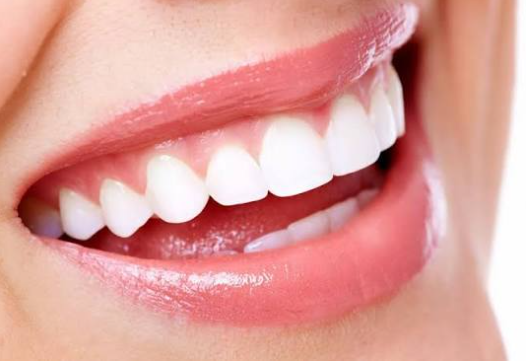
How Periodontics And Implant Dentistry Build Lifelong Smiles
You may have noticed the first signs slowly. Bleeding when you brush. Gums that look lower than they used to. A tooth that feels slightly loose, or a gap where chewing has become awkward and embarrassing. It is easy to put off care when life is busy, but problems involving your gums and missing teeth rarely stay still. They tend to grow, and they can change how you eat, speak, smile, and feel about yourself. If you are looking for a periodontist Albuquerque residents can trust, getting care sooner can help protect your oral health and confidence.
How Periodontics And Implant Dentistry Build Lifelong Smiles comes down to something simple. Healthy gums support healthy teeth, and strong replacement teeth need healthy bone and tissue to last. A skilled periodontist and implant dentist treats the foundation, not just the part you see in the mirror. That is often the difference between a short term fix and a smile that keeps working year after year.
Periodontal care protects the foundation of your smile
Gum disease often starts quietly. Plaque builds up around the gumline, inflammation sets in, and the tissue that should seal around your teeth begins to pull away. You might not feel pain right away, which is part of the problem. By the time many people seek help, they are dealing with gum recession, bad breath that keeps coming back, bone loss, or teeth that no longer feel secure.
According to the National Institute of Dental and Craniofacial Research, gum disease is a common infection of the tissues that hold your teeth in place. That matters because periodontics is not only about cleaning deep below the gums. It is about stopping damage before it spreads and rebuilding support when damage has already happened.
If you have ever been told you need a crown or a bridge, but your gums are inflamed or your bone is weak, you have already seen how the foundation affects everything else. Restorative work placed on top of unstable tissue has a harder time lasting. The same is true for implants. If the bone and gums are not healthy enough, the best implant in the world still needs more support before it can succeed.
See also: Sad poetry in urdu | life sad poetry in urdu text
Implant dentistry restores function in a way that feels steady and natural
Losing a tooth changes more than your appearance. The teeth around the space can shift. The bone in that area can shrink over time because it no longer has a tooth root to stimulate it. Chewing can become uneven, and that strain can spread to other teeth. Many people adapt without realizing how much work their mouth is doing just to get through a normal meal.
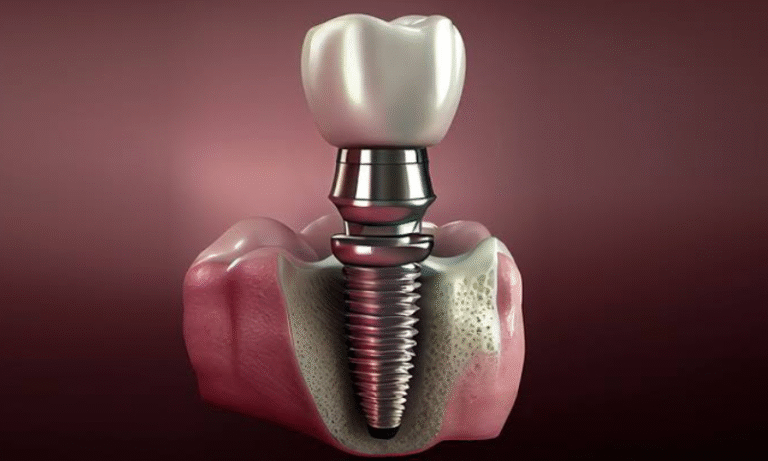
Dental implants and periodontal treatment often work hand in hand because implants depend on healthy tissue and bone. An implant acts like an artificial root, giving a replacement tooth a stable base. That stability is one reason many patients say implants feel closer to natural teeth than removable options.
This is where a periodontist and implant dentist brings real value. One part of the job is controlling infection and inflammation. The other is planning for long term support, which may include bone grafting, soft tissue grafting, implant placement, and maintenance care. If you are missing one tooth, several teeth, or all teeth in an area, the treatment plan should fit your anatomy, your health, and your daily life.
There is also the emotional side, and it is real. People with gum disease or missing teeth often smile less, avoid photos, and choose foods based on what they can manage rather than what they enjoy. That can wear on you quietly. Restoring oral health is not vanity. It is function, comfort, and the ability to stop thinking about your mouth all day.
Periodontics and tooth replacement support long term oral health
National oral health data continues to show how closely oral conditions connect to quality of life, access to care, and overall health needs. The NIDCR report on oral health in America makes that clear. When gum disease and tooth loss are left untreated, the effects do not stay limited to one area of the mouth. Treatment often becomes more involved, more expensive, and more stressful later.
Gum specialist and implant care can help interrupt that cycle. A patient with early gum disease may only need non surgical periodontal therapy and close follow up. A patient with advanced bone loss may need a staged plan that rebuilds support before replacing teeth. Both benefit from the same principle. Protect the foundation first, then restore what has been lost in a way that can last.
Common treatment paths compared side by side
| Concern | Short Term Approach | Periodontal or Implant Focus | Likely Long Term Effect |
| Bleeding gums | Brush less around sore areas or ignore it | Periodontal exam, deep cleaning, home care plan | Lower inflammation and less risk of bone loss |
| Loose tooth | Wait until it becomes painful | Assess gum support, bone level, bite forces, and treatment options | Better chance of saving the tooth or planning replacement early |
| Missing tooth | Leave the space untreated | Evaluate for implant placement and bone support | Improved chewing and less shifting of nearby teeth |
| Gum recession | Use sensitive toothpaste only | Identify the cause, treat disease, consider grafting if needed | More comfort and stronger protection for the root surface |
Clear steps help you move forward without guessing
1. Schedule a periodontal evaluation early. If your gums bleed, your teeth feel different, or you have a missing tooth, get a full exam before the issue grows. Early treatment usually gives you more options and less disruption.
2. Ask about the condition of your bone and gums, not just the visible tooth. If you are considering crowns, bridges, or implants, make sure the supporting tissue is part of the conversation. Lasting dentistry depends on what sits underneath.
3. Commit to maintenance after treatment. Periodontal therapy and implants are not one time events. Cleanings, monitoring, and home care protect the investment you made and help problems get caught before they become bigger.
Lifelong smiles are built on healthy support
A strong smile is rarely about one procedure. It is usually the result of steady care, healthy gums, preserved bone, and smart planning when teeth need to be replaced. That is why periodontics and implant dentistry matter so much. They treat the structure that keeps your smile useful, comfortable, and lasting.
If you have been putting this off, you do not need to solve everything at once. Start with an evaluation and get a clear picture of what your mouth needs now, what can wait, and what will protect your smile for the long run.