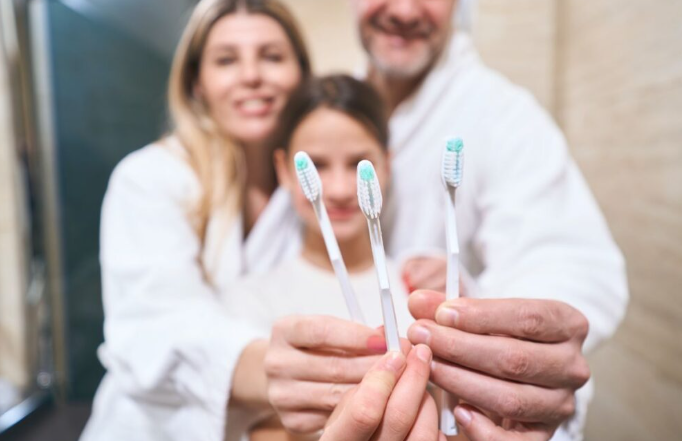
5 Family Dental Habits That Protect Teeth Between Checkups
You brush, you try to keep snacks under control, and you still wonder why someone in the house ends up with a cavity, sore gums, or a surprise toothache. That tension is familiar in a lot of families, and a Sunnyvale dentist can confirm it. Dental visits happen a few times a year, but teeth deal with sugar, acid, dry mouth, grinding, and rushed bedtimes every single day. Most problems do not start in the dental chair. They start quietly at home.end
The good news is that a few steady routines do more for your family’s teeth than complicated products or perfect schedules. These family dental habits lower the odds of decay, protect gums, and make checkups a lot less stressful. A trusted family dentist can catch issues early, but what happens between visits carries most of the weight.
Daily brushing and flossing habits prevent small problems from turning expensive
Missed plaque does not stay harmless for long. It hardens, sits along the gumline, and feeds the kind of irritation that turns into bleeding gums, bad breath, and cavities. You may notice the pattern already. The kids are tired at night, someone rushes through brushing, someone else skips flossing for three days, and then sensitivity shows up when cold water hits a back tooth.
Brushing twice a day with fluoride toothpaste is still the base layer of protection. Flossing once a day matters just as much because a toothbrush cannot clean between teeth well enough. The CDC’s oral health tips for adults support the same basics many families need to hear again. Brush for two minutes, clean between teeth daily, and replace toothbrushes when the bristles start to fray.
For younger children, “go brush your teeth” rarely works on its own. They need hands on help, not reminders from across the room. For teens, the issue is often consistency, not knowledge. They know what to do. They just do not always do it. A timer, a visible floss supply, and the same routine every morning and night usually work better than lectures.
Smart snack and drink choices protect enamel all day
Teeth do not just react to sugar. They react to how often sugar and acid show up. Sipping juice for an hour, grabbing crackers every 20 minutes, or keeping a sports drink nearby during homework gives bacteria a steady fuel source. That is when enamel starts to wear down and cavities get an opening.
Water is the simplest fix and often the one families overlook. It rinses the mouth, supports saliva, and cuts down on constant acid exposure. If your child wants juice or a sweet drink, having it with a meal is usually easier on teeth than sipping it across the afternoon. Crunchy fruits and vegetables, cheese, yogurt, and nuts tend to be better snack choices than sticky candies or chewy snack bars that cling to grooves in the teeth.
This is where many healthy dental habits for families succeed or fail. Not because parents do not care, but because convenience wins when everyone is busy. A kitchen setup helps. Keep water bottles filled, put tooth friendly snacks where people can see them first, and save sugary treats for specific times instead of letting them drift through the day.
Mouth protection and habit tracking reduce avoidable damage
Not every dental problem comes from decay. A child who grinds teeth at night can wake up with jaw pain. A teen in sports can chip a tooth in one bad moment. An adult who breathes through the mouth because of congestion may deal with dry mouth, which raises cavity risk because saliva is part of the body’s natural defense.
These issues are easy to miss because they do not always look urgent at first. A worn edge on a tooth, a complaint about headaches, or a habit of chewing ice may not seem connected until damage is already there. The MedlinePlus dental health resource covers many of these everyday concerns and the conditions behind them.
If someone in your home plays contact sports, a mouthguard matters. If you notice grinding, ask your family dentist about it before enamel wears down more. If bad breath or dry mouth lingers, do not assume it is just poor brushing. It may be linked to medication, sleep habits, or gum issues that need attention.
Simple home routines and professional dental care work better together
Home care and professional care are not competing options. They handle different parts of the job. Home routines control daily buildup and habits. Dental visits catch what you cannot see, including early decay, gum inflammation, bite problems, and weak spots that may need sealants or fluoride treatment. The CDC’s oral health overview makes it clear that oral health affects the rest of the body too, not just the teeth.
| Habit or Care | What It Helps Prevent | Common Gap | Better Family Routine |
|---|---|---|---|
| Twice daily brushing with fluoride toothpaste | Plaque buildup, cavities, bad breath | Rushed bedtime brushing | Brush at the same time each night with a two minute timer |
| Daily flossing | Cavities between teeth, gum irritation | Skipping because it feels optional | Keep floss picks visible near toothbrushes |
| Water instead of frequent sweet drinks | Acid wear, enamel damage, decay | All day sipping | Offer sweet drinks only with meals |
| Mouthguards and monitoring grinding | Chips, wear, jaw pain | Damage ignored until pain starts | Use sports guards and mention clenching early |
| Regular visits with a family dentist | Missed decay, gum disease, bite issues | Waiting until something hurts | Keep routine checkups on the calendar |
Three steps you can start today to build better oral health habits
Set one non negotiable brushing window. Choose a realistic time in the morning and at night when everyone brushes. Routine beats motivation. If the schedule is always different, the habit stays fragile.
Change what is easy to grab. Put water where everyone reaches for it first. Move sticky sweets and sugary drinks out of daily view. Stock snacks that are less likely to cling to teeth. Small changes in what is available can lower the number of acid attacks on teeth each day.
Track one warning sign instead of waiting for pain. Bleeding gums, tooth sensitivity, dry mouth, grinding, and chronic bad breath all count. Write it down when you notice it. If it keeps happening, bring it up at the next visit or schedule sooner if needed. Preventive dental habits work best when early signs are not brushed off.
Protecting your family’s teeth does not require a perfect household. It requires a few habits that happen often enough to matter. If your routines have slipped, you are not behind. You are just at the point where a reset can save time, money, and stress later. Keep the basics steady, stay alert to changes, and schedule regular care with a family dentist when it is time for the next checkup.