5 Questions To Ask Your Dentist About Preventive Dental Care
You might be feeling a little uneasy every time you sit in the dental chair, wondering if there was something you could have done earlier to avoid that filling or that deep cleaning. Maybe you brush and floss most days, you buy the toothpaste that says it fights cavities, yet you still hear the words “early decay” or “we’ll need to watch this.” It can feel frustrating and a bit defeating, but working with a trusted Dentist in Petaluma, CA can help you understand what’s really going on with your teeth and how to prevent future problems.end
Because of this, you might start to wonder if you are missing something simple. Is there a better way to use your time at routine checkups so you leave with a clear plan, not just a new appointment card? The good news is that you can. When you know which questions to ask, preventive dental care stops feeling like a mystery and starts feeling like a partnership between you and your general dentist.
Here is the short version. Preventive care is about much more than brushing and flossing. The right questions help you understand your real cavity and gum risk, what is happening in your mouth right now, what you can change at home, and how often you truly need professional care. These five questions give you a simple script you can use at your next visit so you walk out feeling informed and in control.
Why does preventive dental care even matter if my teeth “seem fine”?
It often starts with something small. A little sensitivity to cold, a bit of bleeding when you floss, or a comment from your dentist about “watching that area.” Life is busy, money may be tight, and if you are not in real pain, it is easy to push dental care to the bottom of the list.
The problem is that cavities and gum disease usually stay quiet at the beginning. By the time you feel real pain, what could have been handled with a small preventive step might have become a larger, more expensive treatment. That is where thoughtful preventive dental questions for your dentist can change the story.
Without those questions, here is what often happens. You show up. You get your cleaning. You are told “keep brushing and flossing.” You go home and do about the same thing you did before. Six months later, something new shows up on the X‑ray, and it feels like it came out of nowhere.
So, where does that leave you? It leaves you with an opportunity. Instead of being a passive patient, you can use your regular visit as a strategy session. You can ask about your specific risks, your habits, and your options. The more you understand, the easier it is to protect your teeth and gums for the long term.
Question 1: “What is my real risk for cavities and gum disease?”
This question opens the door for a much deeper conversation. Not everyone has the same risk. Your risk is shaped by your diet, your home care, your medical history, your saliva, and even your family history.
You might ask your general dentist to point out your personal risk factors. For example, do you have dry mouth from medications. Do you snack on sugary drinks throughout the day. Do crowded teeth make cleaning harder. Understanding why you are at risk makes the dentist’s advice feel practical instead of generic.
It can also help to connect what you hear with trusted resources. The Centers for Disease Control and Prevention offers simple guidance on habits that protect adult teeth, like limiting sugary snacks and using fluoride products. You can read more about those everyday steps in these oral health tips for adults.
See also: Sad poetry in urdu | life sad poetry in urdu text
Question 2: “What are you seeing in my mouth right now?”
Many people leave a checkup without a clear picture of what the dentist actually saw. You might hear “everything looks good” or “a few areas to watch,” which sounds comforting, but it does not tell you what to do differently.
You can gently slow the visit down by asking your dentist or hygienist to walk you through what they see. Ask questions like:
“Can you show me where the early cavity is and what caused it.” “Are there any signs of gum inflammation or bone loss.” “Do you see any wear on my teeth from grinding.”
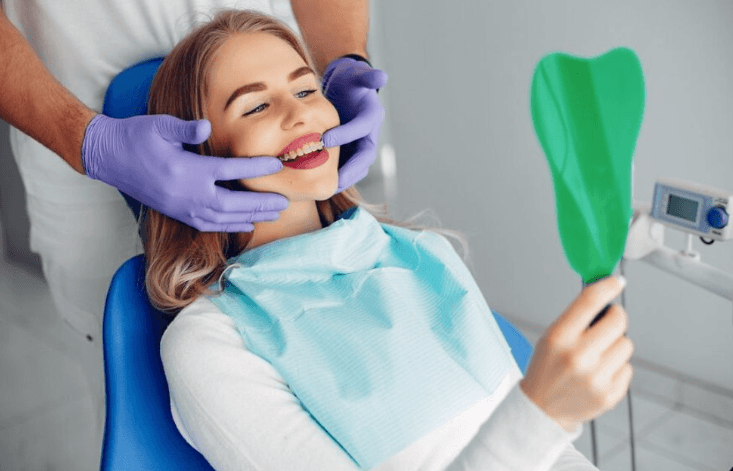
If they have an intraoral camera or photos, ask to see the images. When you can actually see the red, puffy gums or the tiny shadow of a cavity, the advice you hear feels much more real.
Question 3: “Is my home care routine actually working?”
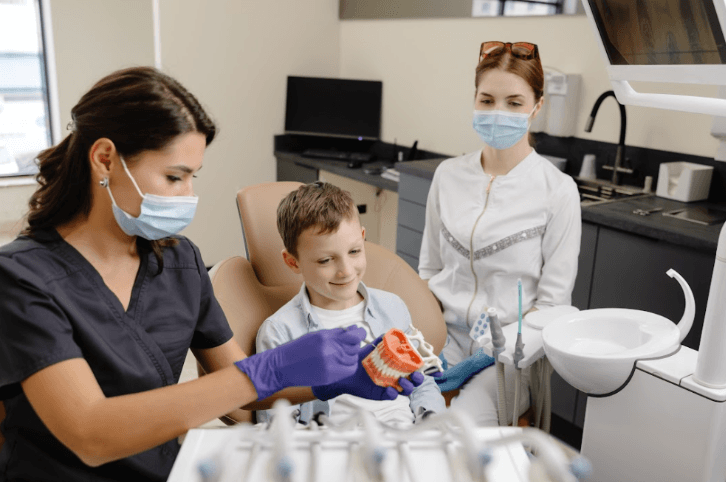
You might brush twice a day and floss “when you remember,” and still feel unsure if it is enough. This is where you can treat your dentist like a coach. Instead of just asking “Am I brushing okay,” be specific.
Try questions such as:
“Where am I missing plaque when I brush or floss.” “Do I need a different toothbrush or floss because of my fillings or crowding.” “Should I be using fluoride mouthwash or prescription toothpaste.”
The American Dental Association has clear suggestions on brushing, flossing, and fluoride use that your dentist may follow. If you want to read those at home, you can check their guidance on home oral care and use it as a checklist against your current routine.
Question 4: “What preventive treatments do you recommend for me, and why?”
This is where the idea of preventive dental care with a general dentist really becomes personal. There is a wide range of preventive options. These include fluoride varnish, sealants, night guards, and more frequent cleanings.
You can ask your dentist:
“Would fluoride treatments reduce my cavity risk.” “Am I a good candidate for sealants on my back teeth.” “Should I have cleanings more than twice a year because of my gum health or medical conditions.”
Ask for the reasons behind each recommendation and how it might save you discomfort or money later. A good dentist will welcome those questions and explain the pros and cons in plain language.
Question 5: “How often should I really come in for preventive visits?”
Many people assume that everyone needs a checkup every six months. That interval works well for a lot of people, but not for all. If you struggle with gum disease, have a lot of dental work, or have conditions like diabetes, your dentist may recommend more frequent visits. On the other hand, someone with very low risk might safely stretch a bit longer.
So ask directly. “Given my current mouth and medical history, how often should I schedule preventive visits, and what could happen if I wait longer.” This helps you balance time, money, and health in a way that fits your life, instead of guessing.
How does preventive care compare to “wait and see” treatment?
You might still be wondering whether these questions and extra preventive steps are really worth it. A simple comparison can help show the difference between staying ahead of problems and waiting until something hurts.
| Approach | Short‑Term Cost | Long‑Term Impact | Typical Examples |
|---|---|---|---|
| Proactive preventive care | Regular checkups, cleanings, fluoride or sealants | Fewer emergencies, smaller fillings, better comfort and function | Professional cleanings, early cavity treatment, night guard for grinding |
| “Wait until it hurts” care | Lower cost right now, but no extra protection | Higher chance of root canals, extractions, and bigger bills later | Ignoring mild sensitivity, skipping cleanings, treating only severe pain |
Public health experts have seen this pattern for years. Untreated decay and gum disease often lead to infections that affect eating, speaking, and even overall health. If you are curious about how oral health connects to general health, the CDC’s overview of oral health gives helpful context.
Three steps you can take before your next dental visit
1. Write down your own “top 5 questions” list
Take a few minutes to write these five questions on paper or in your phone, then add any personal worries you have, like bad breath, sensitivity, or bleeding gums. Bring this list to your appointment. When you feel rushed or nervous, having the questions in front of you makes it easier to speak up.
2. Track your habits for one week
For seven days, quickly note when you brush, floss, and have sugary snacks or drinks. Do not judge yourself. This is information, not a test. At your visit, share this with your dentist and ask, “Given this, what is the single most helpful change I can make first.” A small, realistic change is far more powerful than a perfect plan you cannot keep.
3. Ask for a simple, written preventive plan
Before you leave the office, ask your dentist or hygienist to summarize your personal preventive plan in a few bullet points. For example, “Brush twice daily with fluoride toothpaste, floss every night, use fluoride rinse, schedule cleanings every 4 months, consider night guard.” Put this where you will see it, such as your bathroom mirror or phone notes. It turns a vague intention into a clear agreement.
Moving forward with more confidence and less fear
You do not have to know all the dental terms or understand every X‑ray. You just need enough clarity to make calm choices. When you show up with a few thoughtful questions, you send a clear message. You care about keeping your teeth and gums healthy, and you want your dentist to work with you as a partner.
Those conversations can feel awkward at first, especially if you have had painful or rushed dental experiences in the past. That is normal. Start with just one or two of these questions if that feels easier. Over time, you will build trust, and preventive visits will feel less like a lecture and more like a check‑in with your own dental coach.
Preventive care is not about perfection. It is about small, consistent decisions that protect your smile and your comfort year after year. With these 5 questions to ask your dentist about preventive care in hand, you are already moving from worry to action, which is the most important step.