6 Preventive Steps Family Dentists Recommend For Children
You might already know the feeling. One day your child is grinning through sticky snacks and bedtime stories, and the next you are wondering whether that little complaint about a tooth means a cavity, a bill, or a stressful visit nobody wants. It can feel like a lot, especially when you are trying to do the right thing and still keep life moving. A Silver Spring, MD dentist can help make those moments feel more manageable.
The good news is that most children’s dental problems do not start with one big mistake. They usually build slowly through small habits, which also means they can often be prevented through small, steady changes. If you are looking for clear guidance, the heart of it is simple. Brush well, drink more water, watch sugar, keep regular checkups, ask about sealants, and start early. Those are the preventive dental steps for children that make the biggest difference over time.
Why Do Small Dental Habits Matter So Much for Children?
It is easy to think baby teeth are temporary, so problems can wait. But when a child has tooth pain, everything gets harder. Eating can hurt. Sleep can get disrupted. School days can feel longer. Even their mood can change. Because of this, prevention is not just about teeth. It protects comfort, confidence, and routine.
According to the CDC’s oral health tips for children, daily brushing with fluoride toothpaste, healthier food choices, and regular dental care all play a major role in lowering the risk of decay. That matters because cavities are common, and they often start quietly. A child may not say anything until the problem is already advanced.
So, where does that leave you? Usually in the same place as many parents. You want practical steps, not guilt. You want to know what works in real life, even when mornings are rushed and your child treats the toothbrush like a negotiation tool.
What Are the 6 Preventive Steps Family Dentists Recommend for Children?
The first step is brushing twice a day with fluoride toothpaste. Children need help longer than many people expect, often until they can tie their shoes well and write neatly. Good brushing means getting all tooth surfaces, not just the easy front ones.
The second step is flossing once teeth begin to touch. This is where food and plaque can hide, and brushing alone cannot always reach those spaces.
The third step is cutting back on frequent sugar exposure. It is not only candy that causes trouble. Juice, sports drinks, gummies, and constant snacking can keep teeth under attack throughout the day.
The fourth step is drinking water, especially fluoridated water when available. Water helps rinse the mouth and supports stronger enamel.
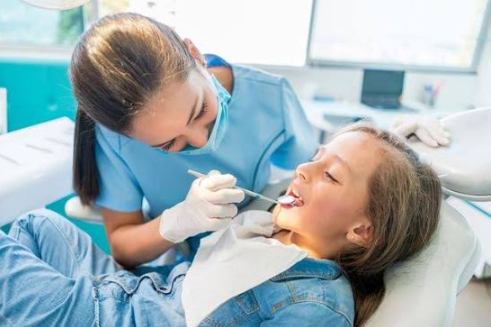
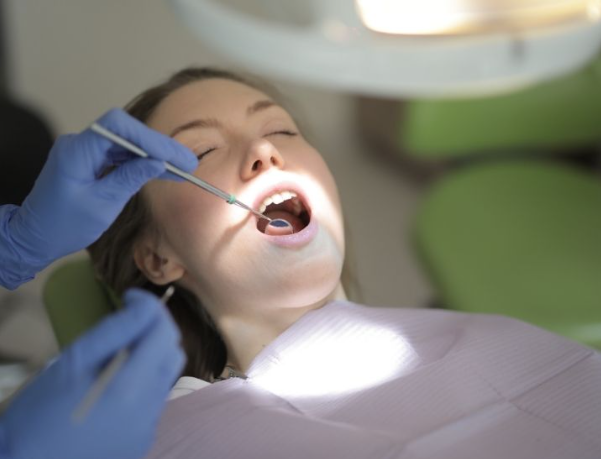
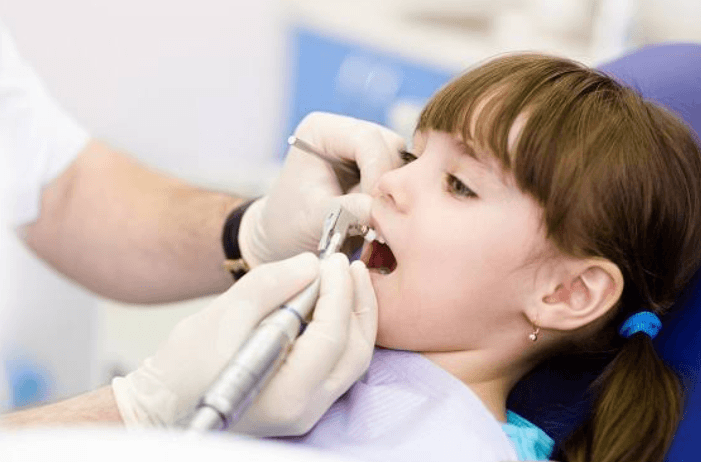
The fifth step is regular dental visits. A family dentist can spot weak areas early, guide brushing technique, and catch problems before they turn painful or expensive.
The sixth step is asking about dental sealants. The CDC explains the value of dental sealants for children, especially on back teeth where cavities often form. The National Institute of Dental and Craniofacial Research also outlines how sealants protect molars by covering deep grooves that trap food and bacteria.
What Makes Prevention Easier Than Treatment Later On?
When prevention slips, the next step is often treatment, and treatment can bring more than cost. It can mean time off work, missed school, anxiety before appointments, and a child who becomes nervous about dental care. That is why many parents find that simple routines done early feel much easier than trying to fix a painful problem later.
Think about a common scenario. Your child brushes quickly, drinks juice with breakfast, and snacks often after school. Nothing seems wrong for months. Then a routine visit shows two small cavities in the back teeth. At that point, the issue is no longer just brushing. It becomes scheduling, treatment, and helping your child feel calm. Prevention helps you stay ahead of that cycle.
How Do Home Habits Compare With Professional Preventive Care?
Home care and professional care work best together, not against each other. One handles daily protection, and the other adds early detection and added support.
| Preventive Step | What You Can Do at Home | What a Dentist Adds | Main Benefit |
|---|---|---|---|
| Brushing | Brush twice a day with fluoride toothpaste | Check technique and signs of enamel wear | Lowers plaque and cavity risk |
| Flossing | Floss where teeth touch | Identify tight areas and gum irritation | Cleans spaces brushing misses |
| Diet | Limit sugary drinks and frequent snacks | Spot patterns linked to decay | Reduces acid attacks on teeth |
| Water and Fluoride | Encourage water through the day | Recommend fluoride support if needed | Helps strengthen enamel |
| Checkups | Keep regular appointments | Find small issues early | Prevents bigger treatment later |
| Sealants | Ask whether your child is a good candidate | Apply protective coating to molars | Guards cavity prone grooves |
What Can You Do Right Now to Protect Your Child’s Smile?
1. Tighten the daily routine. Pick two fixed brushing times, usually after breakfast and before bed, and keep them consistent. If your child rushes, use a two minute timer and help with the back teeth. This is one of the most effective children’s dental prevention tips because consistency matters more than perfection.
2. Change the snack pattern, not just the snack list. Many parents focus only on what their child eats, but how often they eat matters too. Try offering snacks at set times instead of grazing all day. Fewer sugar exposures often means less risk for cavities.
3. Plan the next preventive visit and ask about sealants. A regular checkup with a family dentist gives you a clearer picture of risk, brushing habits, and timing for added protection. If your child’s molars are in, ask whether sealants make sense now rather than later.
See also: How Businesses Accept Crypto Payments
Can a Family Dentist Really Help You Stay Ahead of Bigger Problems?
Yes, and often in ways that feel less dramatic than treatment, which is exactly the point. A good dental routine, paired with regular professional care, can prevent pain before it starts and lower the chance of bigger procedures later. That is why so many parents rely on these six habits instead of waiting for a problem to announce itself.
If things have felt uncertain, that does not mean you are behind. It usually just means you are ready for a simpler plan. Start with one or two changes this week, keep them steady, and build from there. When you are ready, schedule a preventive visit with a family dentist and ask which of these steps will matter most for your child right now.